Black tea is fully oxidised. Fresh leaf is withered, rolled to break the cells, left to oxidise until the leaf turns copper-brown, then dried. It was invented at Tongmu inside Wuyishan, Fujian — Lapsang Souchong is the first black tea on record — and the Fujian congou method that followed, seen in Tanyang Gongfu from Fu'an, is the ancestor of orthodox black tea worldwide.
Шаги
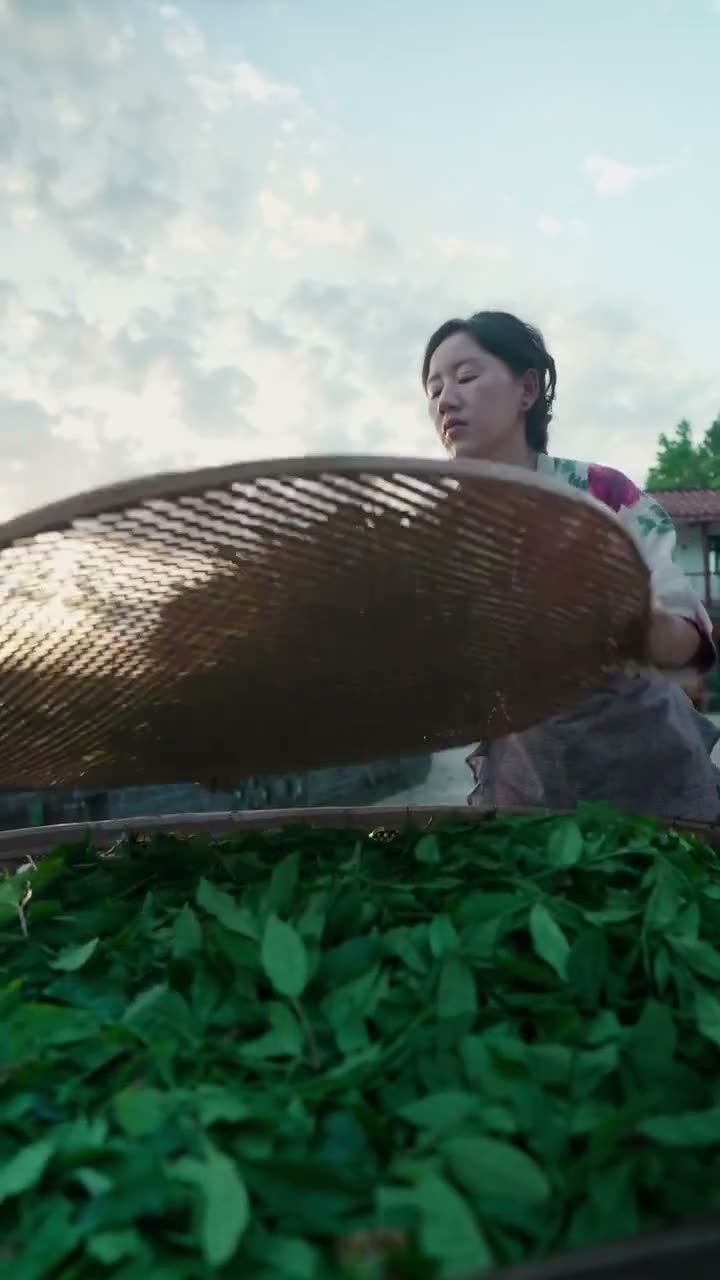
Withering
Withering at dusk01
Стерлин
Листья теряют влагу и становятся достаточно гибкими, чтобы не сломаться.
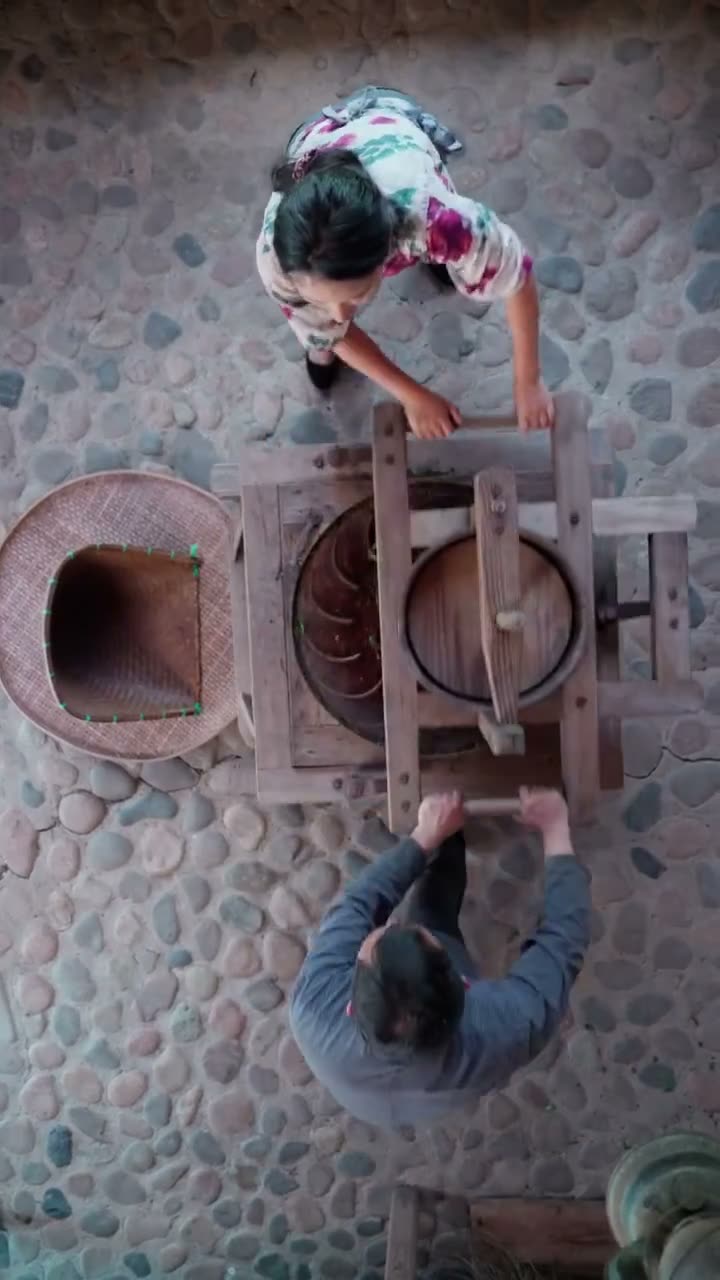
Rolling
Rolling02
Скрутка
Роллинг разрывает клетки листьев и объединяет ферменты и соки, начиная окисление.
03
03
Окисление
Скрученный лист отдыхает в влажной комнате, пока не станет медным-коричневым.
Печеное
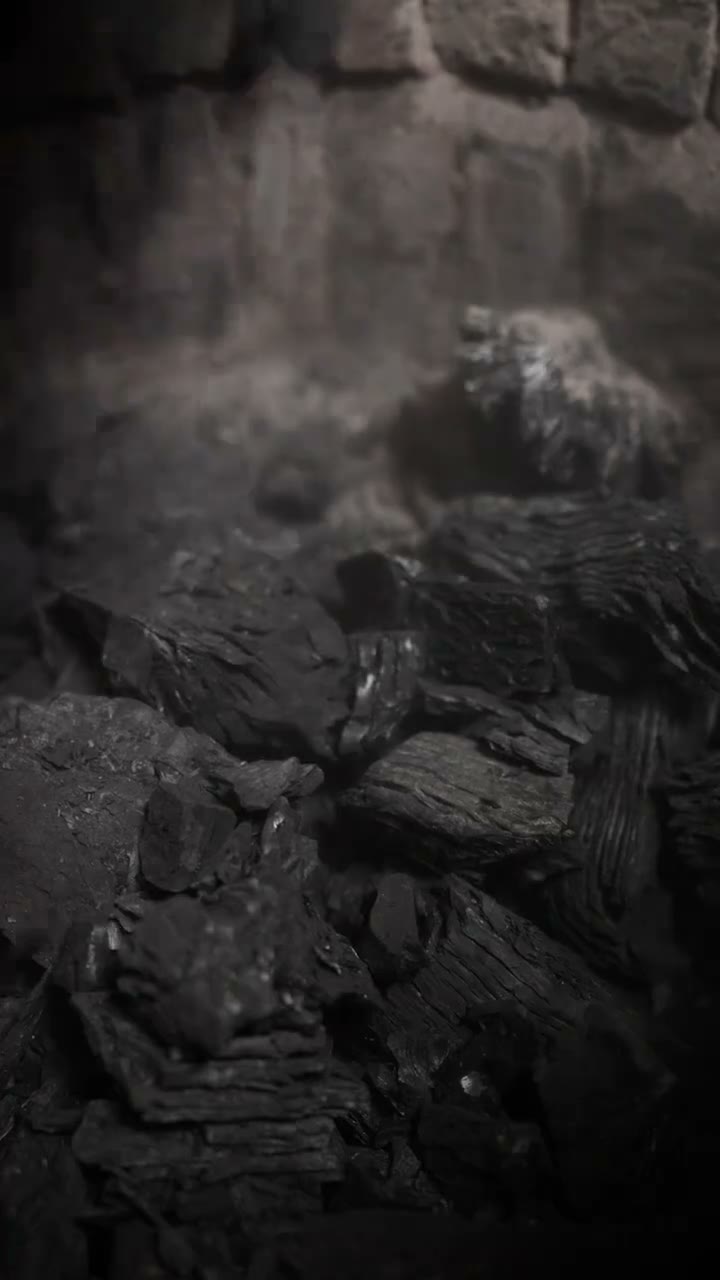
Drying over charcoal04
Сухой
Heat stops oxidation and brings moisture down to at or below 7,0%. Traditional Tongmu Lapsang Souchong is dried over pine smoke; the unsmoked version is dried without.
Sorting
Sorted lots05
Сорт и класс
Чёрный чай Fujian классифицируется по имени и выпивки Jin Jun Mei - только бутонные , а не по ортодоксальным буквам, используемым для индийского и Цейлонского чая.
Чёрный чай Fujian
Чай
Происхождение
Примечание
Lapsang Souchong
Tongmu, Wuyishan
Первый в истории черный чай; курившийся или некурившийся укажите
Jin Jun Mei
Tongmu, Wuyishan
Только из лука; золотая конца
Tanyang Gongfu
Fu'an, Нингде
Конго стиль; исторический экспортируемый черный Fujian
01
Guide
Где растет китайский черный чай?
Central Asia. Black tea into Uzbekistan more than doubled year-to-date in 2025 by an industry count, and total Chinese tea into Uzbekistan reached 29 217,4 tonnes for the year, up 17,3%. Fujian congou styles answer that demand. Black tea was USD 28,05 million, or 9,18%, of Fujian's export value in 2023.
02
Why did black tea appear, and why is it linked with Britain?
Black tea emerged in the Wuyi mountains of Fujian, where fully oxidised tea such as Lapsang Souchong was being made by the seventeenth century. It kept its flavour on long sea voyages better than green tea, and as British demand grew it became the tea of the British market.
In the nineteenth century Britain established tea plantations in India and Ceylon, now Sri Lanka, which is why Assam and Ceylon are so closely associated with black tea today. Chinese black teas such as Lapsang Souchong, Jin Jun Mei and Tanyang Gongfu remain the style’s original source.
Частые вопросы
Где был изобретен черный чай?
Tongmu, внутри района WuyishanFujian, Китай.
Чёрный чай ферментирован?
В языке торговли, да HS heading 0902 называет его ферментированным.
Почему чай называют чёрным, если настой может быть красным?
Английское название в основном относится к тёмному обработанному листу, тогда как китайское название обычно описывает красный цвет настоя. Оба термина могут обозначать одну широкую категорию. В торговых документах используйте название, принятое в стране назначения, и добавляйте сорт или стиль происхождения, чтобы исключить неоднозначность.
Как обработка отличает чёрный чай от зелёного?
Чёрному чаю дают значительно окислиться до сушки, а зелёный рано прогревают, чтобы ограничить окисление. Это меняет цвет, аромат, вкус и поведение при хранении, хотя сорт и последующие операции тоже важны. При сравнении сохраняйте одинаковыми фракцию листа и условия заваривания, а не опирайтесь только на цвет.
Is black tea an herb, and is mate black tea?
Black tea is not an herb: it comes from the tea plant, Camellia sinensis, the same plant as green and white tea. Yerba mate is a different plant, Ilex paraguariensis, so mate is not black tea, though both contain caffeine.
What does black tea look like?
Dry black tea is dark brown to black, as twisted whole leaves, fine tippy leaves with golden buds, or small granules in CTC tea. Brewed, it is red-brown to deep amber.
What is black tea in Morocco and Egypt?
In Egypt, black tea is the everyday tea, usually brewed strong and sweet, sometimes with mint. In Morocco the national drink is mint tea made with Chinese green tea, and black tea is a much smaller part of the market.
Why is black tea called red tea in Japanese as well as Chinese?
Japanese names it kocha, “red tea”, for the same reason Chinese calls it hongcha: both name the tea after the red-brown colour of the brewed liquor, while English names it after the dark dry leaf.