Black tea is fully oxidised. Fresh leaf is withered, rolled to break the cells, left to oxidise until the leaf turns copper-brown, then dried. It was invented at Tongmu inside Wuyishan, Fujian — Lapsang Souchong is the first black tea on record — and the Fujian congou method that followed, seen in Tanyang Gongfu from Fu'an, is the ancestor of orthodox black tea worldwide.
Die Schritte
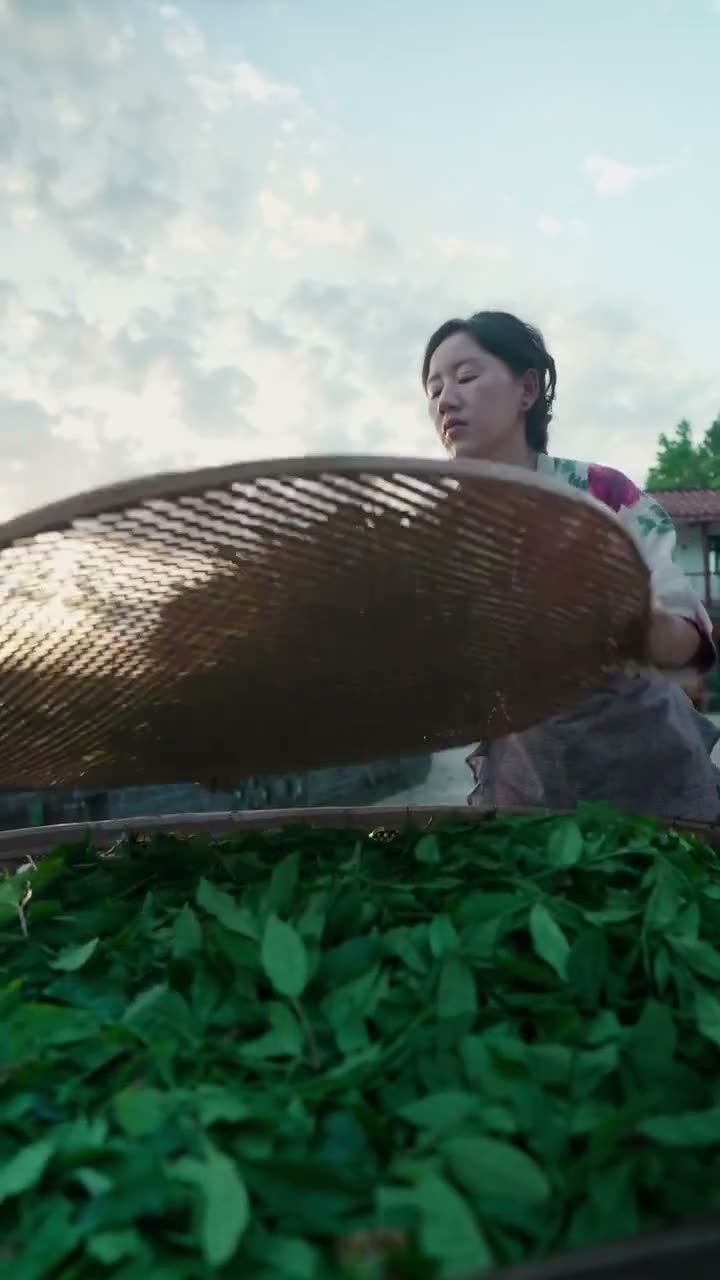
Withering
Withering at dusk01
Miter
Das Blatt verliert Feuchtigkeit und wird flexibel genug, um ohne Zerbrechen zu rollen.
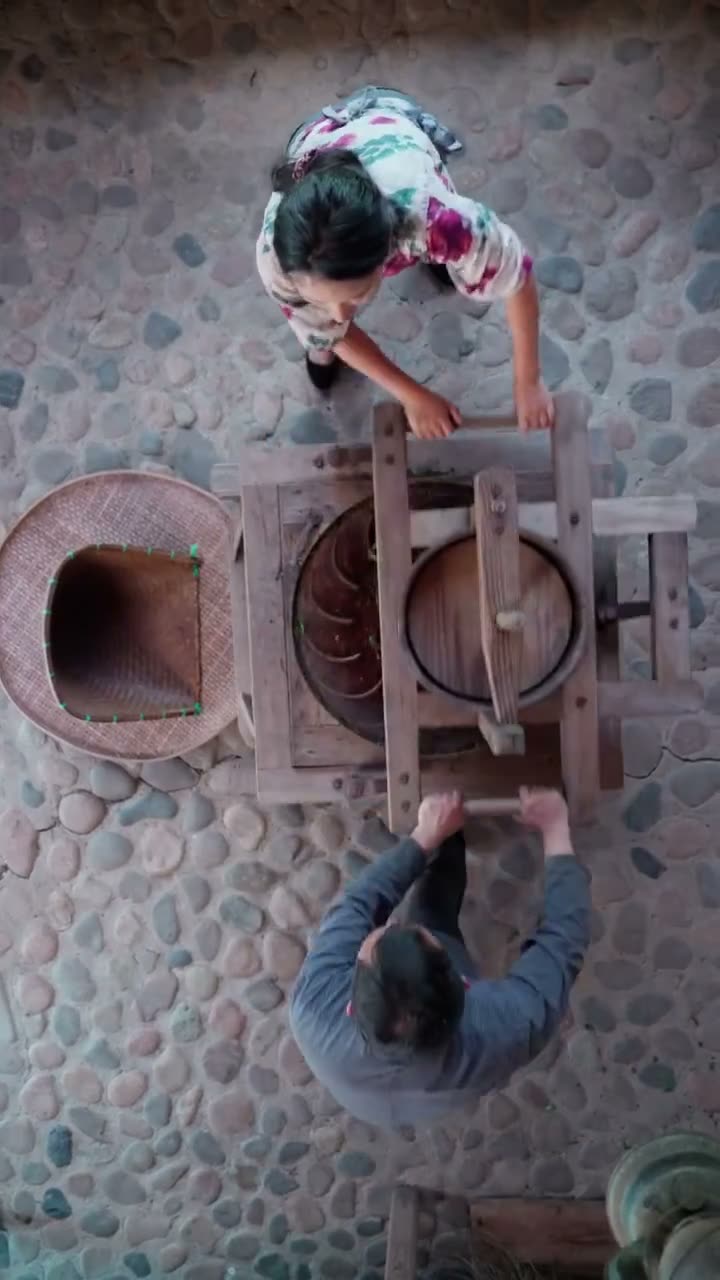
Rolling
Rolling02
Rollen
Das Rollen zerreißt die Blättselle und bringt Enzyme und Säfte zusammen und beginnt damit die Oxidation.
03
03
Oxidierung
Das geschmolzenes Blatt ruht in einem feuchten Raum, bis es kopferbraun wird.
Gebratene
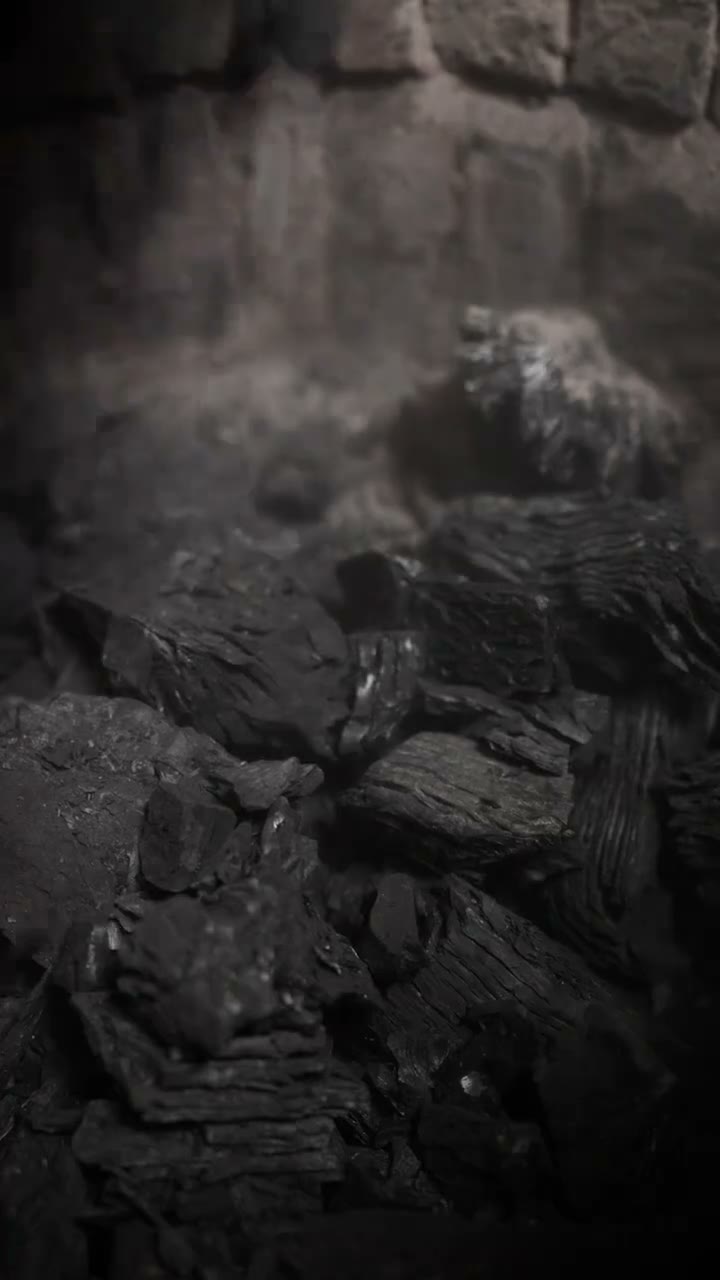
Drying over charcoal04
Trocken
Die Wärme hält die Oxidation ab und bringt die Feuchtigkeit auf oder unter 7,0%. Die traditionelle TongmuLapsang Souchong wird über Pinienrauch getrocknet; die nichtgeräuchte Version wird ohne getrocknet.
Sorting
Sorted lots05
Sortierung und Grad
Fujian schwarzer Tee wird nach Namen und Pull Jin Jun Mei ist nur mit Knoten und nicht nach den orthodoxen Buchstaben, die für indischen und Ceylonischen Tee verwendet werden.
Fujian Schwarze Tees
Tee
Herkunft
Hinweis
Lapsang Souchong
Tongmu, Wuyishan
Erster schwarzer Tee in der Geschichte; geraucht oder nicht geraucht angeben
Jin Jun Mei
Tongmu, Wuyishan
Nur mit Knospen; Goldspitze
Tanyang Gongfu
Fu'an, Ningde
Congou-Stil; die historische Fujian-Export-Schwarz
01
Guide
Wo wächst chinesischer Schwarztee?
Central Asia. Black tea into Uzbekistan more than doubled year-to-date in 2025 by an industry count, and total Chinese tea into Uzbekistan reached 29.217,4 tonnes for the year, up 17,3%. Fujian congou styles answer that demand. Black tea was USD 28,05 million, or 9,18%, of Fujian's export value in 2023.
02
Why did black tea appear, and why is it linked with Britain?
Black tea emerged in the Wuyi mountains of Fujian, where fully oxidised tea such as Lapsang Souchong was being made by the seventeenth century. It kept its flavour on long sea voyages better than green tea, and as British demand grew it became the tea of the British market.
In the nineteenth century Britain established tea plantations in India and Ceylon, now Sri Lanka, which is why Assam and Ceylon are so closely associated with black tea today. Chinese black teas such as Lapsang Souchong, Jin Jun Mei and Tanyang Gongfu remain the style’s original source.
Häufig gestellte Fragen
Wo wurde schwarzer Tee erfunden?
Tongmu, innerhalb der Zone Wuyishan von Fujian, China.
Ist schwarzer Tee fermentiert?
In der Handelssprache heißt es in der HS-Position 0902 fermentiert.
Warum heißt er schwarzer Tee, wenn der Aufguss rot wirken kann?
Die englische Bezeichnung bezieht sich vor allem auf das dunkle verarbeitete Blatt, während die chinesische Terminologie häufig die rote Aufgussfarbe beschreibt. Beide Namen können dieselbe Hauptkategorie meinen. Verwenden Sie in Handelsunterlagen den im Zielmarkt anerkannten Produktnamen und ergänzen Sie Grad oder Herkunftsstil, um Missverständnisse zu vermeiden.
Wie unterscheidet die Verarbeitung schwarzen von grünem Tee?
Schwarzer Tee oxidiert vor dem Trocknen weitgehend; grüner Tee wird früh erhitzt, um Oxidation zu begrenzen. Das verändert Farbe, Aroma, Geschmack und Lagerverhalten, wobei Kultivar und spätere Verarbeitung ebenfalls zählen. Halten Sie bei Mustern Blattgrad und Brühbedingungen gleich, statt Farbe als einzigen Unterschied zu behandeln.
Is black tea an herb, and is mate black tea?
Black tea is not an herb: it comes from the tea plant, Camellia sinensis, the same plant as green and white tea. Yerba mate is a different plant, Ilex paraguariensis, so mate is not black tea, though both contain caffeine.
What does black tea look like?
Dry black tea is dark brown to black, as twisted whole leaves, fine tippy leaves with golden buds, or small granules in CTC tea. Brewed, it is red-brown to deep amber.
What is black tea in Morocco and Egypt?
In Egypt, black tea is the everyday tea, usually brewed strong and sweet, sometimes with mint. In Morocco the national drink is mint tea made with Chinese green tea, and black tea is a much smaller part of the market.
Why is black tea called red tea in Japanese as well as Chinese?
Japanese names it kocha, “red tea”, for the same reason Chinese calls it hongcha: both name the tea after the red-brown colour of the brewed liquor, while English names it after the dark dry leaf.