Black tea is fully oxidised. Fresh leaf is withered, rolled to break the cells, left to oxidise until the leaf turns copper-brown, then dried. It was invented at Tongmu inside Wuyishan, Fujian — Lapsang Souchong is the first black tea on record — and the Fujian congou method that followed, seen in Tanyang Gongfu from Fu'an, is the ancestor of orthodox black tea worldwide.
Os passos
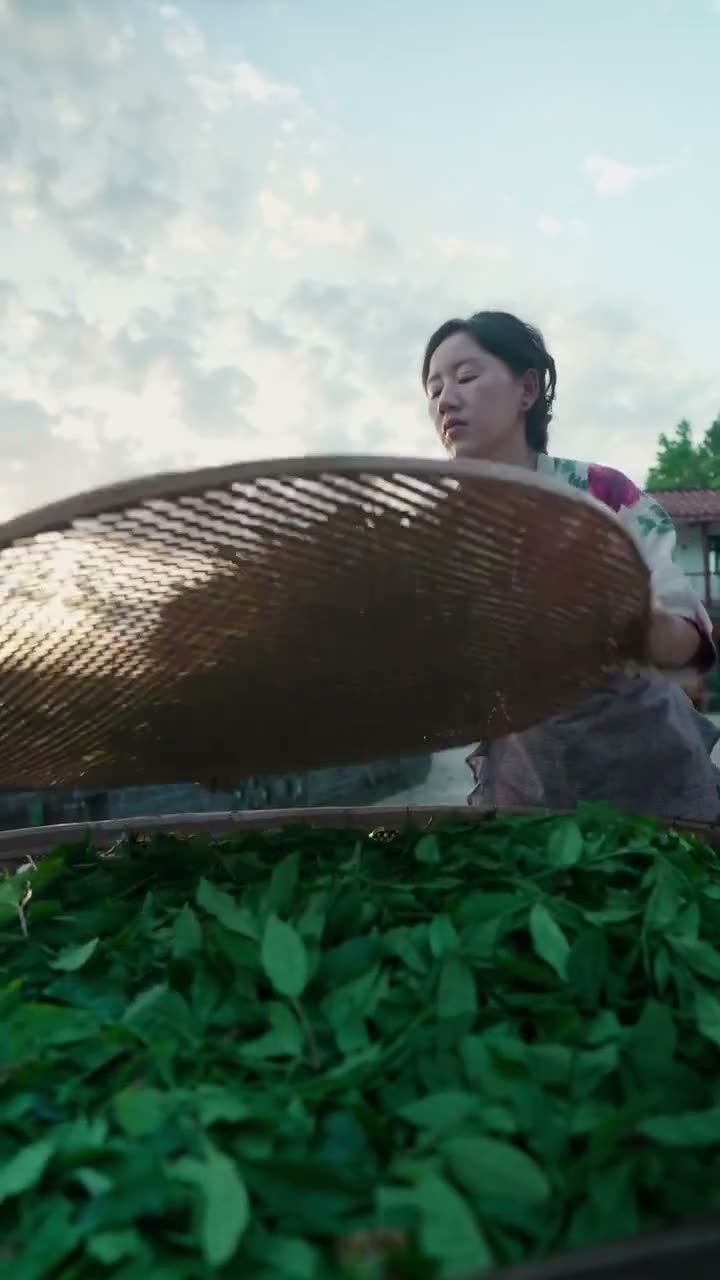
Withering
Withering at dusk01
Comer
A folha perde umidade e torna-se flexível o suficiente para rolar sem quebrar.
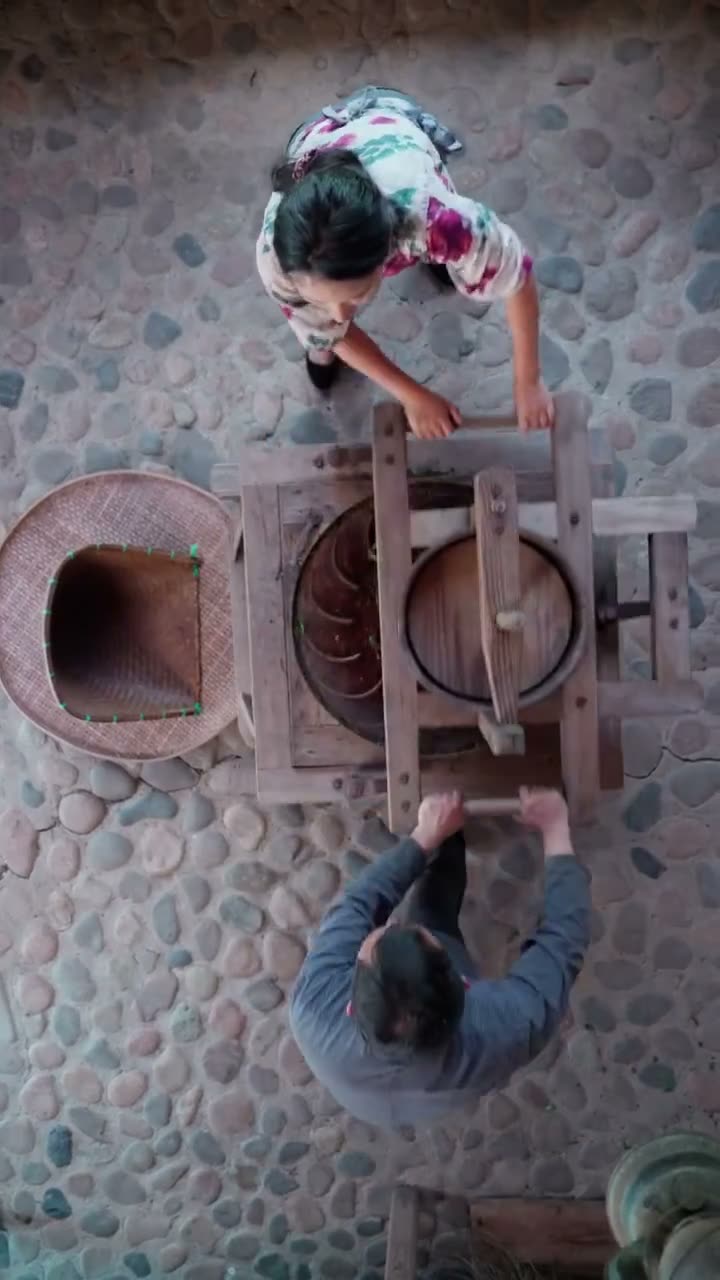
Rolling
Rolling02
Rolo
O rolamento rompe as células das folhas e reúne enzimas e sucos, iniciando a oxidação.
03
03
Oxidação
A folha laminada repousa em uma sala úmida até se tornar bronzeada de cobre.
Assemelhamento
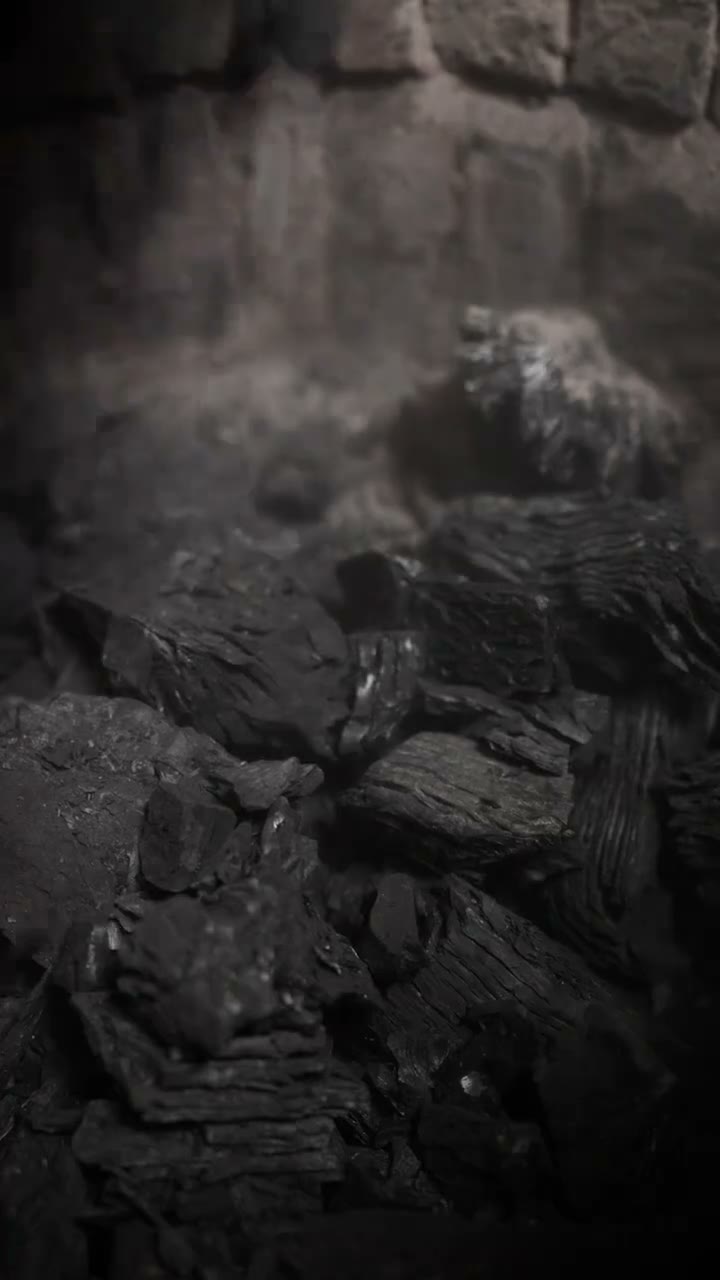
Drying over charcoal04
Seco
Heat stops oxidation and brings moisture down to at or below 7,0%. Traditional Tongmu Lapsang Souchong is dried over pine smoke; the unsmoked version is dried without.
Sorting
Sorted lots05
Classificação e classificação
O chá preto Fujian é classificado pelo nome e pela picada Jin Jun Mei é apenas de brota em vez das notas ortodoxas usadas para o chá indiano e celonês.
Tés pretos Fujian
Tico
Origem
Nota
Lapsang Souchong
Tongmu, Wuyishan
Primeiro chá preto registado; fumado ou não fumado especificar
Jin Jun Mei
Tongmu, Wuyishan
Só de broche; ponta de ouro
Tanyang Gongfu
Fu'an, Ningde
Estilo Congou; o histórico Fujian preto de exportação
01
Guide
Onde cresce o chá preto chinês?
Central Asia. Black tea into Uzbekistan more than doubled year-to-date in 2025 by an industry count, and total Chinese tea into Uzbekistan reached 29 217,4 tonnes for the year, up 17,3%. Fujian congou styles answer that demand. Black tea was USD 28,05 million, or 9,18%, of Fujian's export value in 2023.
02
Why did black tea appear, and why is it linked with Britain?
Black tea emerged in the Wuyi mountains of Fujian, where fully oxidised tea such as Lapsang Souchong was being made by the seventeenth century. It kept its flavour on long sea voyages better than green tea, and as British demand grew it became the tea of the British market.
In the nineteenth century Britain established tea plantations in India and Ceylon, now Sri Lanka, which is why Assam and Ceylon are so closely associated with black tea today. Chinese black teas such as Lapsang Souchong, Jin Jun Mei and Tanyang Gongfu remain the style’s original source.
Frequentemente perguntado
Onde foi inventado o chá preto?
Tongmu, dentro da área Wuyishan de Fujian, China.
O chá preto está fermentado?
Em linguagem comercial, sim A rubrica HS 0902 chama-se fermentada. Tecnicamente, a alteração é a oxidação enzimática, não a fermentação microbiana.
Por que se chama chá preto se a infusão pode parecer vermelha?
O nome inglês se refere principalmente à folha processada escura, enquanto a terminologia chinesa costuma descrever a cor vermelha da infusão. Ambos podem indicar a mesma categoria ampla. Em documentos comerciais use o nome reconhecido no destino e acrescente o grau ou estilo de origem para evitar ambiguidade.
Como o processamento diferencia chá preto de chá verde?
O chá preto oxida bastante antes da secagem; o verde é aquecido cedo para limitar a oxidação. Isso muda cor, aroma, sabor e comportamento no armazenamento, embora cultivar e acabamento também importem. Ao comparar amostras, mantenha iguais o grau da folha e o preparo, em vez de tratar a cor como única diferença.
Is black tea an herb, and is mate black tea?
Black tea is not an herb: it comes from the tea plant, Camellia sinensis, the same plant as green and white tea. Yerba mate is a different plant, Ilex paraguariensis, so mate is not black tea, though both contain caffeine.
What does black tea look like?
Dry black tea is dark brown to black, as twisted whole leaves, fine tippy leaves with golden buds, or small granules in CTC tea. Brewed, it is red-brown to deep amber.
What is black tea in Morocco and Egypt?
In Egypt, black tea is the everyday tea, usually brewed strong and sweet, sometimes with mint. In Morocco the national drink is mint tea made with Chinese green tea, and black tea is a much smaller part of the market.
Why is black tea called red tea in Japanese as well as Chinese?
Japanese names it kocha, “red tea”, for the same reason Chinese calls it hongcha: both name the tea after the red-brown colour of the brewed liquor, while English names it after the dark dry leaf.