Oolong is the most processed of the unroasted-to-roasted spectrum and the one with the most decisions. After withering, the leaf is shaken or tumbled to bruise the edges, left to oxidise partially, then fixed to stop it, rolled into ball or strip, and roasted to a level that has to be written on the contract. Fujian ships two thirds of China's oolong exports; Pinghe's Bai Ya Qi Lan, Anxi's Tie Guan Yin and Wuyishan's rock oolongs are the three styles.
Шаги
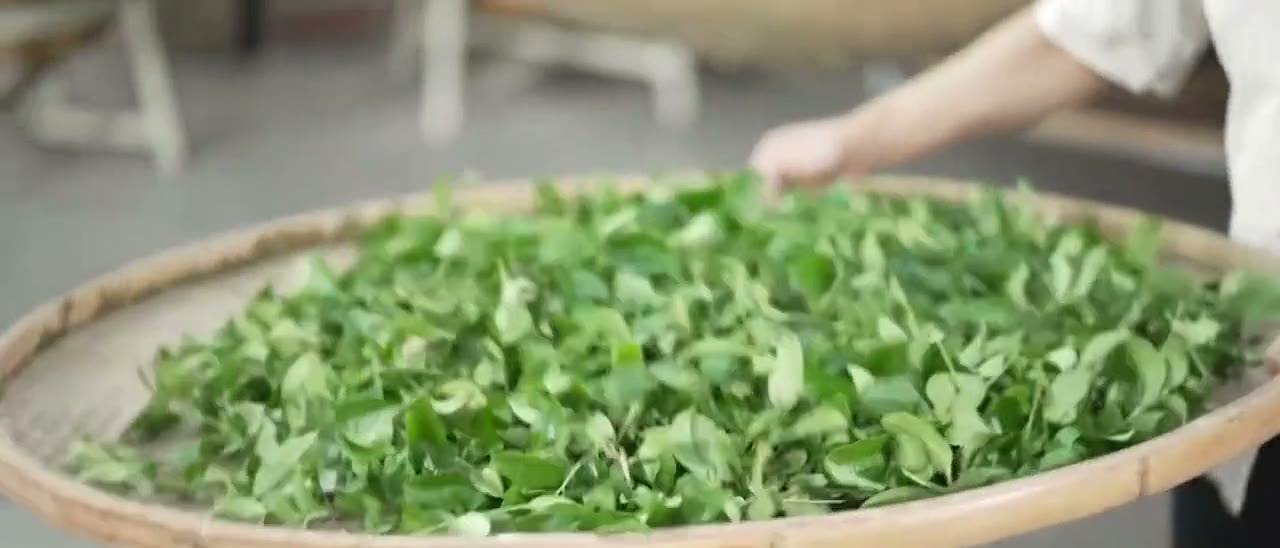
Withering
Withering — Anxi01
Стерлин
Солнце или кипячение в помещении смягчают лист и начинают лишать влаги.
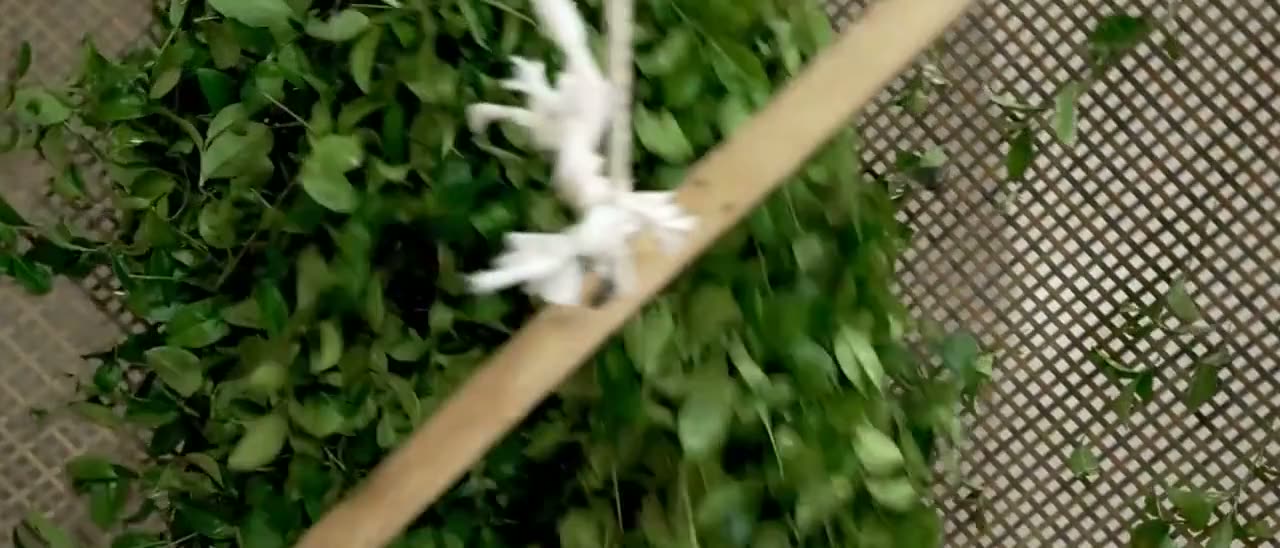
Shaking
Shaking — Tie Guan Yin02
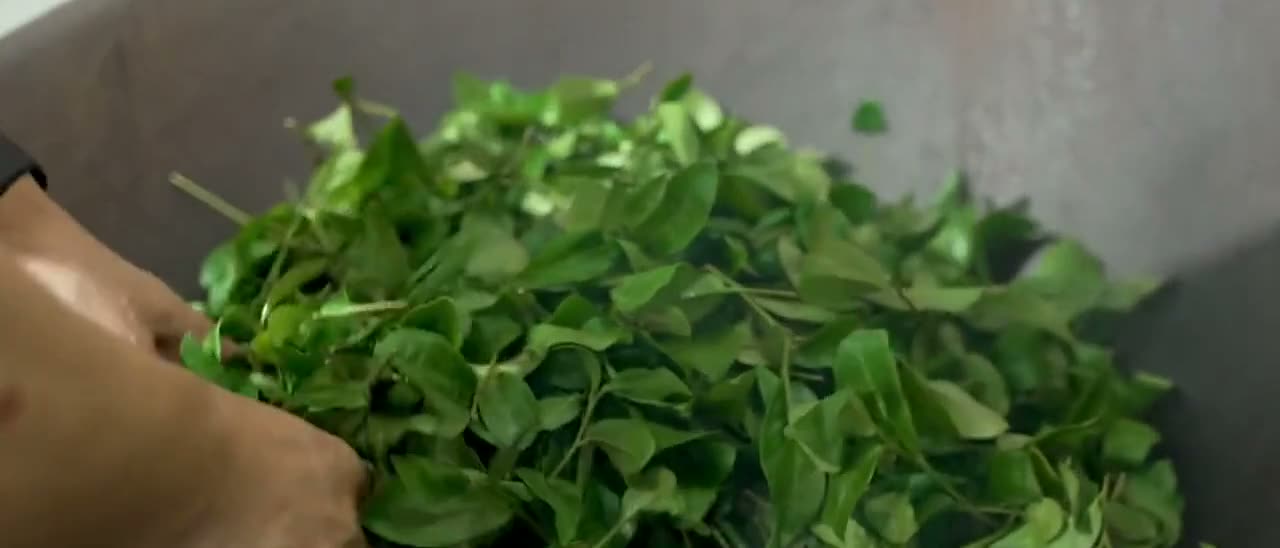
Злочинки и окисление
Листья дрожат или падают, так что края окисляются, а центр остается зеленым.
Firing
Firing03
Ремонт
Оолонга частично окисляется, так как он происходит частично.
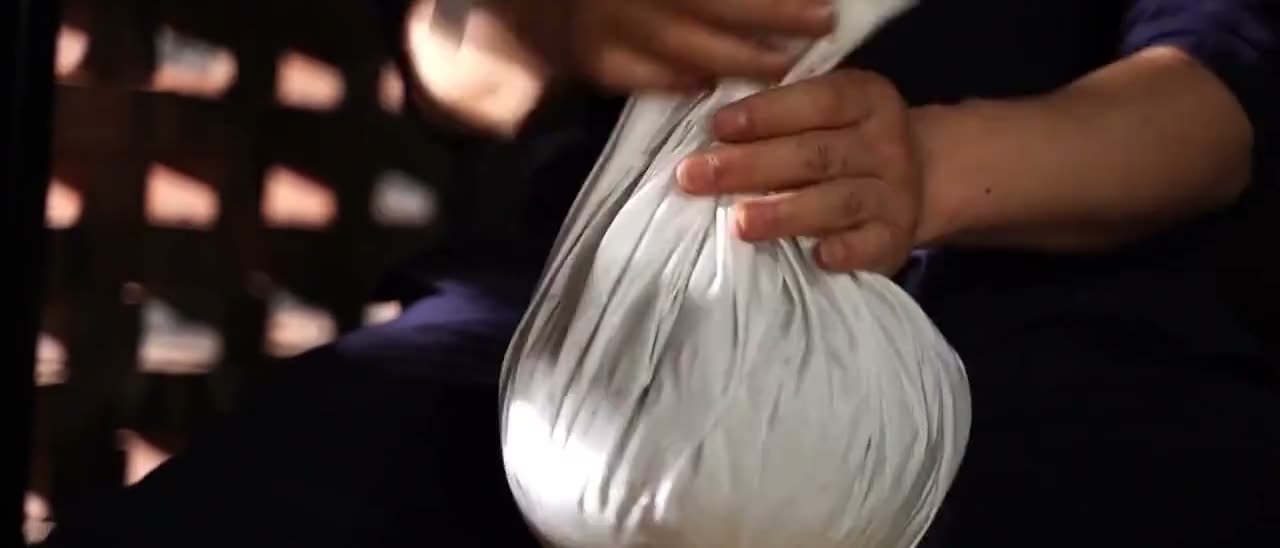
Rolling
Wrap rolling04
Скрутка и форма
Pinghe Bai Ya Qi Lan and Anxi Tie Guan Yin are rolled into semi-balls; Wuyishan rock oolongs are twisted into strips.
Печеное
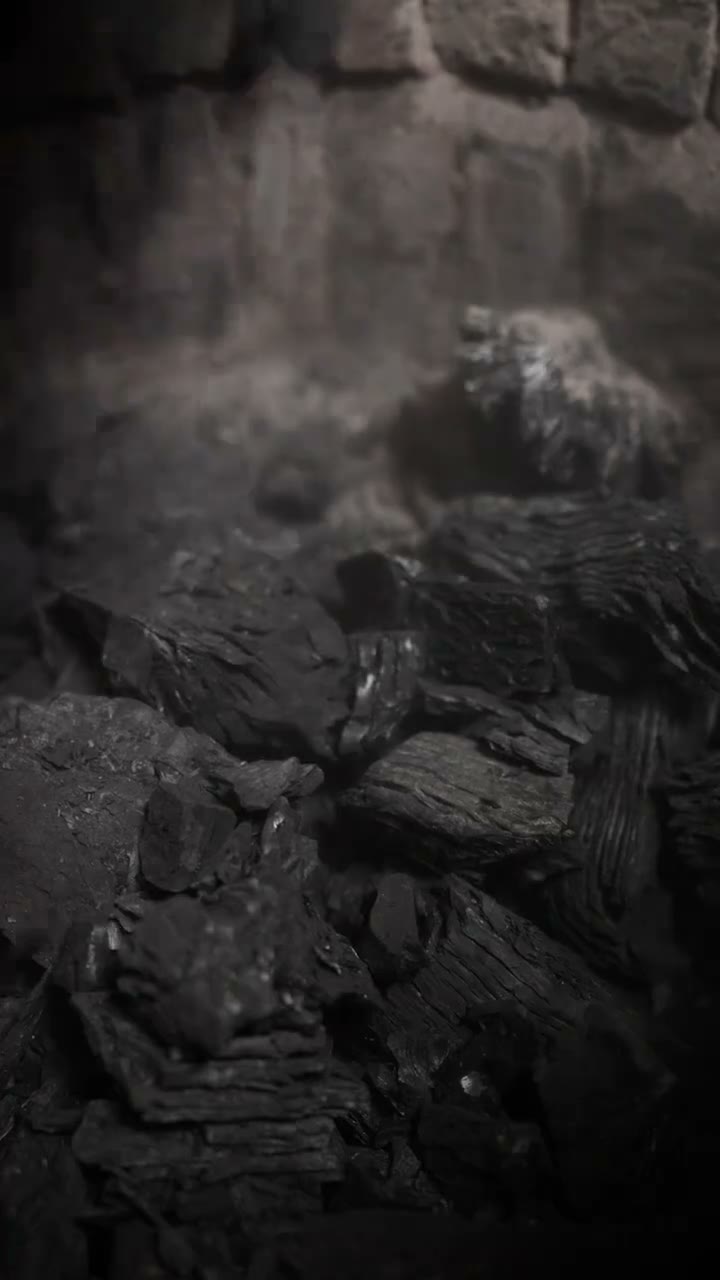
Charcoal roast05
Печеное
С непеченного стиля jade через легкий, средний и угольный жар. уровень жарения полностью меняет чашку и является условием контракта, а не нотой вкуса.
06
06
Сортировка и упаковка
Вакуумные мешки 7 g и 8 g для валованного оolong; свободная полоса для каменного чая; кухонные картоны для обоих. Влажность на уровне 7,0% или ниже.
Fujian oolong — the three styles
Pinghe Qi Lan
Скрученные Anxi
Wuyishan Стены
Имя
Bai Ya Qi Lan
Те Гуань Инь
Da Hong Pao, Ру Гю, Шуй Сянь
Форма
Rolled semi-ball
Закрученный шар
Стрип
Печеное
Light to medium
Яд до среднего
Средний до угольного
Роль
Protected-origin alternative to Anxi
Объем
Верхняя часть ценового диапазона
01
Guide
Что меняется в уровне жареного?
Все, что покупатель вкуса. Непеченный яд Tie Guan Yin цветочный и зеленый; каменный оolong, печенный углями, минеральный, глубокий и длинный.
02
How do Taiwanese and Fujian oolongs differ?
Oolong began in Fujian, and Fujian and Taiwan remain its two great homes. Fujian makes rolled Anxi oolongs such as Tie Guan Yin, strip-shaped, roasted Wuyi rock oolongs such as Da Hong Pao, and Pinghe’s orchid-scented Bai Ya Qi Lan. Taiwan is known for rolled high-mountain oolongs, roasted Dong Ding and the heavily oxidised Oriental Beauty.
Dong Ding, or Tung Ting, comes from Nantou County in Taiwan: a rolled, medium-oxidised oolong traditionally finished with a charcoal roast for a nutty, caramel depth. Oolongs differ by cultivar, oxidation level, leaf shape and roast; two teas sold simply as “oolong” can taste as different as a green tea and a black tea.
Roasting comes after rolling and drying: the leaf is heated in charcoal or electric roasters, lightly for fresh, floral teas or repeatedly for dark, toasty ones. Roasting deepens flavour and helps the tea keep, but a darker roast does not by itself mean a more oxidised leaf.
Частые вопросы
Is oolong green tea or black tea?
Ни один из них. Он частично окисляется между двумя и разделяется подположениями HS 0902.30 и 0902.40 с черным чаем.
Что такое рок-олунг?
Стрип-листья оolong из Wuyishan в Нанпинге, Fujian, включая Da Hong Pao, Rou Gui и Shui Xian, жареные на древесном угля и известные минеральным характером.
Что меняет окисление в улуне?
Окисление меняет химию, цвет и аромат листа, сдвигая чашку от свежих цветочных и зелёных нот к фруктам, мёду и более глубоким оттенкам. Это лишь один фактор: сорт, завяливание, встряхивание, фиксация, прожарка и хранение тоже важны. Покупателю следует утверждать чашку и описание процесса, а не только процент окисления.
Всегда ли более тёмный улун сильнее окислен?
Нет. Более тёмный лист или настой может быть следствием сильной прожарки, хранения, сорта или заваривания, а не только окисления. Один цвет не позволяет разделить причины. Сравните запись процесса, аромат сухого и заваренного листа и профиль чашки, используя одинаковый метод заваривания для двух образцов.
Why is it called oolong, and is it oolong or ulun?
Oolong is the English form of the Chinese wulong, “black dragon”, usually explained by the dark, curled leaf or by folk legend. Ulun is the same word in Russian spelling. Oolong is also called blue or blue-green tea, from its Chinese category name, qingcha.
Is oolong tea fermented?
No, not in the microbial sense. Oolong is partly oxidised: the leaf is bruised so its own enzymes darken it, then heat stops the process. The tea trade often says “fermented” when it means oxidised; genuinely fermented teas are dark teas such as ripe pu-erh.
What does oolong tea look like?
Either tightly rolled balls, as in Tie Guan Yin and Taiwanese high-mountain oolongs, or long twisted strips, as in Wuyi rock oolongs, from jade green to dark brown depending on oxidation and roast. Brewed, the leaves unfurl, often showing reddened edges, and the liquor runs from pale gold to amber.
Why is oolong tea associated with China?
Oolong was first made in Fujian, in the Wuyi mountains and Anxi, and Fujian remains its main source; Taiwan took up oolong making in the nineteenth century. Fujian ships two thirds of China's oolong exports today.