Oolong is the most processed of the unroasted-to-roasted spectrum and the one with the most decisions. After withering, the leaf is shaken or tumbled to bruise the edges, left to oxidise partially, then fixed to stop it, rolled into ball or strip, and roasted to a level that has to be written on the contract. Fujian ships two thirds of China's oolong exports; Pinghe's Bai Ya Qi Lan, Anxi's Tie Guan Yin and Wuyishan's rock oolongs are the three styles.
Die Schritte
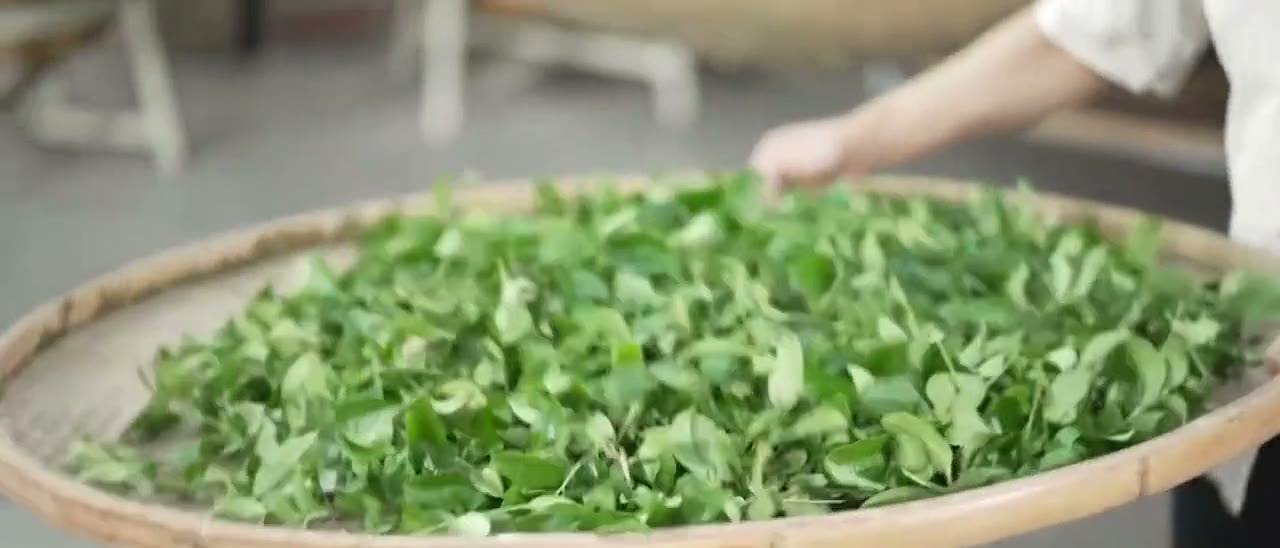
Withering
Withering — Anxi01
Miter
Sonne oder Verwelkungen im Haus erweichen das Blatt und verursachen einen Feuchtigkeitsverlust.
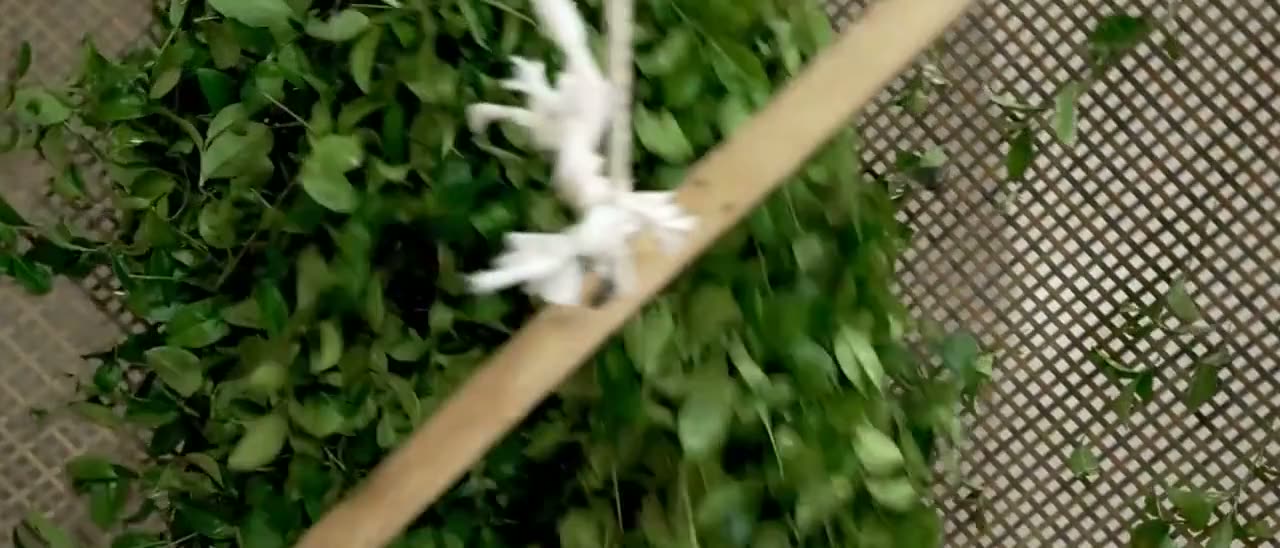
Shaking
Shaking — Tie Guan Yin02
Bruch und Oxidation
Das Blatt wird geschüttelt oder abgerissen, sodass die Ränder sich verbrüten und oxidieren, während die Mitte grün bleibt.
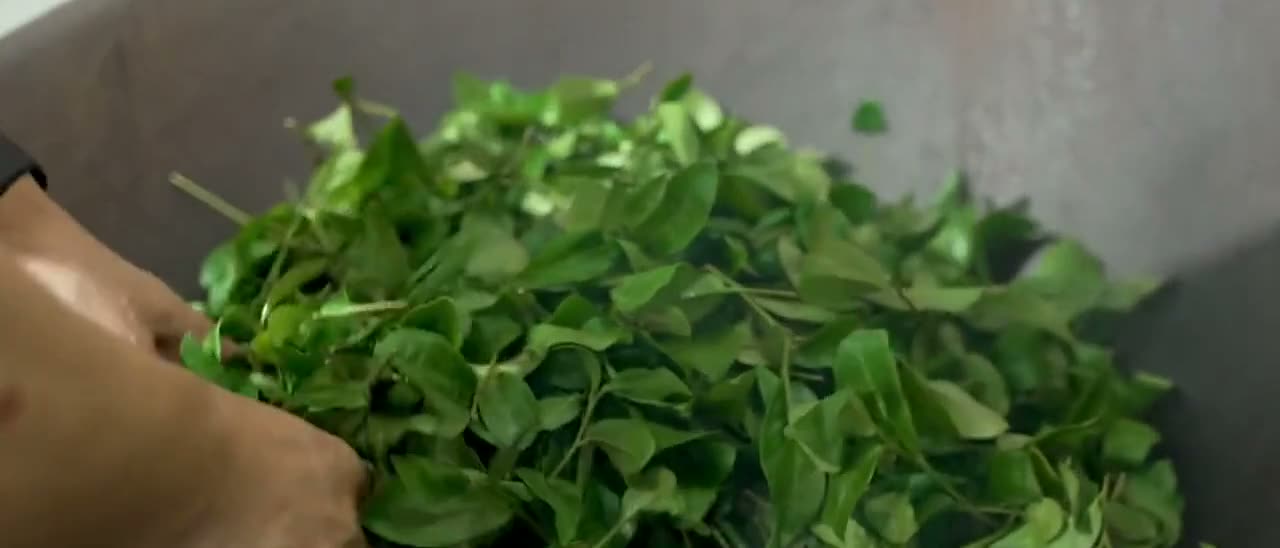
Firing
Firing03
Beheben
Da Oolong teilweise durchgeht, wird Oolong teils oxidiert.
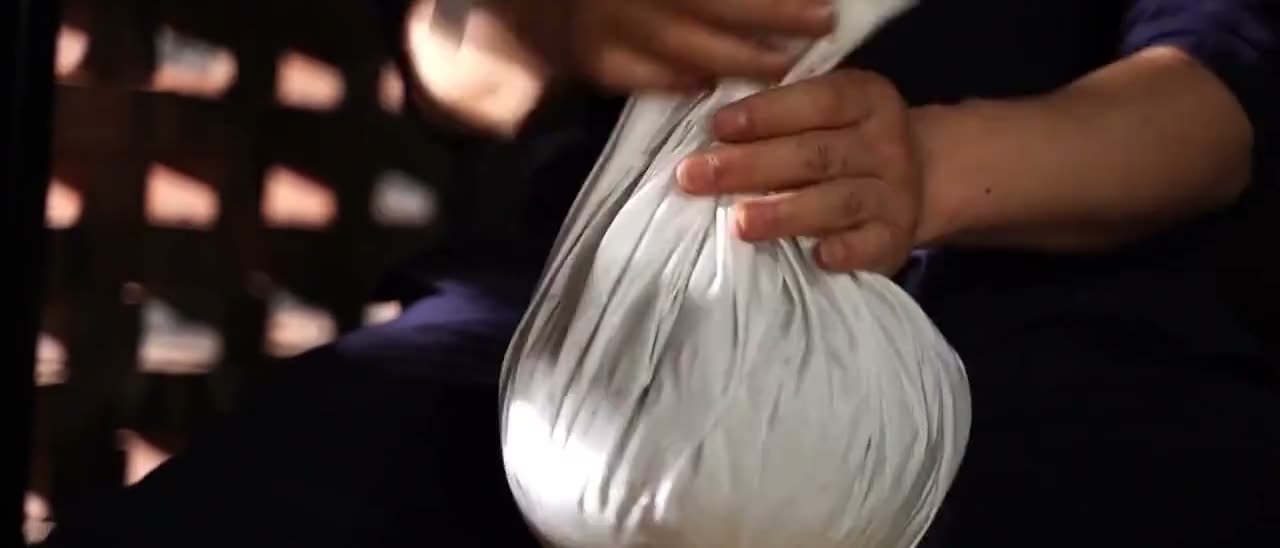
Rolling
Wrap rolling04
Rollen und Form
Pinghe Bai Ya Qi Lan and Anxi Tie Guan Yin are rolled into semi-balls; Wuyishan rock oolongs are twisted into strips.
Gebratene
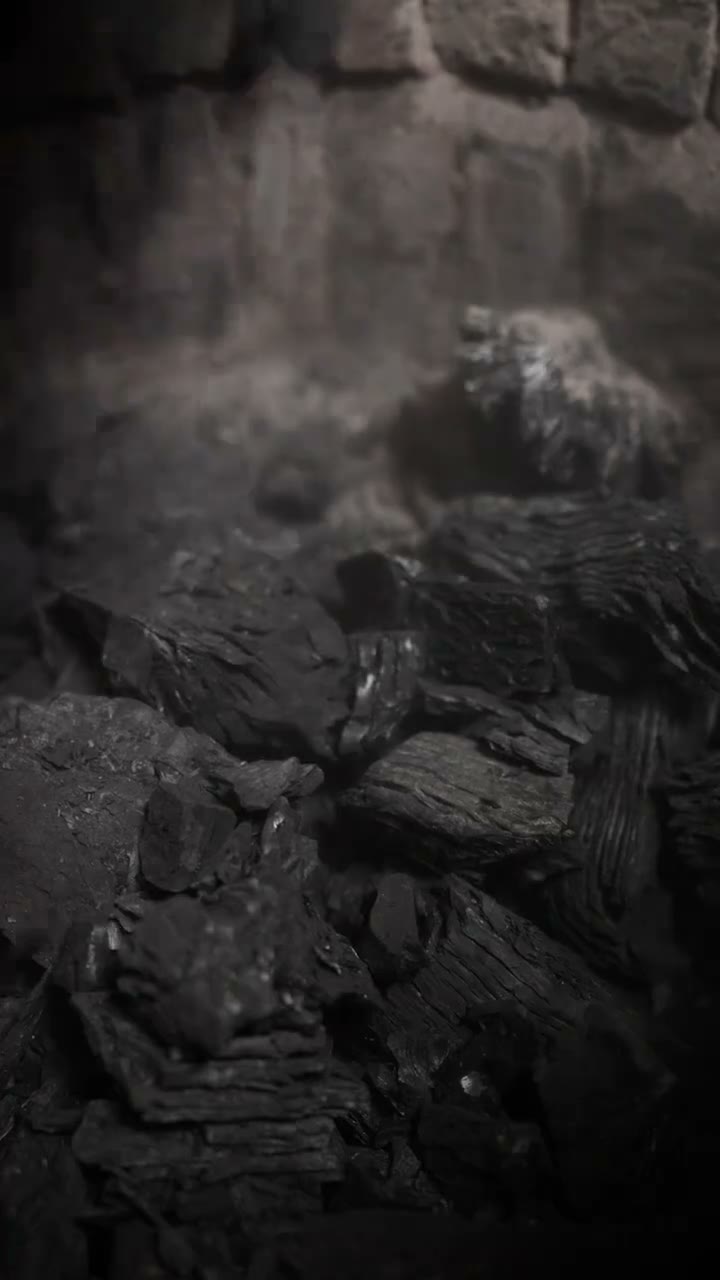
Charcoal roast05
Gebratene
Von ungeröstem Jade-Stil über leichtes, mittleres und Holzkohle-Röst.
06
06
Sortieren und Verpacken
Vakuum-7- und 8-G-Säcke für Walzen; lockere Streifen für Steintee; Massenkartons für beide. Feuchtigkeit bei oder unter 7,0%.
Fujian oolong — the three styles
Pinghe Qi Lan
Gewalzte Anxi
Wuyishan Felsbogen
Name
Bai Ya Qi Lan
Tie Guan Yin
Da Hong Pao, Rou Gui, Shui Xian
Form
Rolled semi-ball
Gewalzte Kugel
Strip
Gebratene
Light to medium
Jade bis mittlere
Mittlere zu Holzkohle
Rolle
Protected-origin alternative to Anxi
Volumen
Höchstpreisbereich
01
Guide
Was ändert sich beim Rost?
Ein ungerösteter Jade Tie Guan Yin ist blühend und grün; ein mit Holzkohle gerösteter Fels-Oolong ist mineral, tief und lang. Das Blatt kann aus demselben Garten sein. Da der Grade-Name nicht den Gegröst trägt, muss der Vertrag.
02
How do Taiwanese and Fujian oolongs differ?
Oolong began in Fujian, and Fujian and Taiwan remain its two great homes. Fujian makes rolled Anxi oolongs such as Tie Guan Yin, strip-shaped, roasted Wuyi rock oolongs such as Da Hong Pao, and Pinghe’s orchid-scented Bai Ya Qi Lan. Taiwan is known for rolled high-mountain oolongs, roasted Dong Ding and the heavily oxidised Oriental Beauty.
Dong Ding, or Tung Ting, comes from Nantou County in Taiwan: a rolled, medium-oxidised oolong traditionally finished with a charcoal roast for a nutty, caramel depth. Oolongs differ by cultivar, oxidation level, leaf shape and roast; two teas sold simply as “oolong” can taste as different as a green tea and a black tea.
Roasting comes after rolling and drying: the leaf is heated in charcoal or electric roasters, lightly for fresh, floral teas or repeatedly for dark, toasty ones. Roasting deepens flavour and helps the tea keep, but a darker roast does not by itself mean a more oxidised leaf.
Häufig gestellte Fragen
Ist Oolong grüner Tee oder schwarzer Tee?
Sie ist teilweise zwischen den beiden oxidiert und hat die HS-Unterposition 0902.30 und 0902.40 mit schwarzem Tee.
Was ist Rock Oolong?
Strip-Blatt-Oolong aus Wuyishan in Nanping, Fujian, einschließlich Da Hong Pao, Rou Gui und Shui Xian, mit Holzkohle geröstet und bekannt für seinen mineralischen Charakter.
Was verändert die Oxidation bei Oolong?
Oxidation verändert Chemie, Farbe und Aroma des Blatts und führt die Tasse von frischen, blumigen und grünen Noten zu Frucht, Honig und tieferen Tönen. Sie ist nur eine Variable: Kultivar, Welken, Schütteln, Fixierung, Röstung und Lagerung wirken ebenfalls. Freigeben sollte man Tasse und Prozessbeschreibung, nicht nur einen Prozentsatz.
Ist dunklerer Oolong immer stärker oxidiert?
Nein. Dunklere Blätter oder Aufgüsse können ebenso durch stärkere Röstung, Lagerung, Kultivar oder Zubereitung entstehen. Farbe allein trennt diese Ursachen nicht. Vergleichen Sie Prozessprotokoll, Trockenaroma, aufgegossenes Blatt und Tassenprofil und verwenden Sie bei zwei Mustern dieselbe Brühmethode.
Why is it called oolong, and is it oolong or ulun?
Oolong is the English form of the Chinese wulong, “black dragon”, usually explained by the dark, curled leaf or by folk legend. Ulun is the same word in Russian spelling. Oolong is also called blue or blue-green tea, from its Chinese category name, qingcha.
Is oolong tea fermented?
No, not in the microbial sense. Oolong is partly oxidised: the leaf is bruised so its own enzymes darken it, then heat stops the process. The tea trade often says “fermented” when it means oxidised; genuinely fermented teas are dark teas such as ripe pu-erh.
What does oolong tea look like?
Either tightly rolled balls, as in Tie Guan Yin and Taiwanese high-mountain oolongs, or long twisted strips, as in Wuyi rock oolongs, from jade green to dark brown depending on oxidation and roast. Brewed, the leaves unfurl, often showing reddened edges, and the liquor runs from pale gold to amber.
Why is oolong tea associated with China?
Oolong was first made in Fujian, in the Wuyi mountains and Anxi, and Fujian remains its main source; Taiwan took up oolong making in the nineteenth century. Fujian ships two thirds of China's oolong exports today.