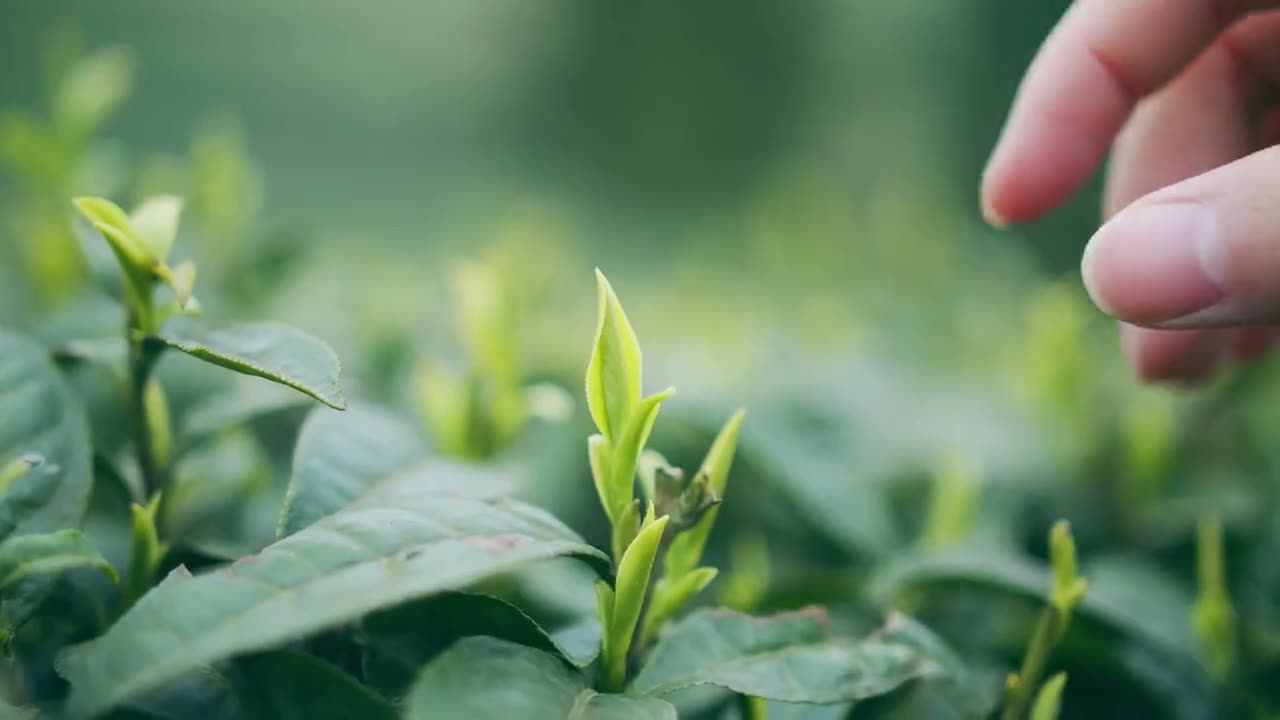
White tea has the shortest process of any Chinese tea: pluck, wither, dry. There is no fixation and no rolling, so the maker's control is limited to the plucking standard and the wither. That is why Bai Hao Yin Zhen, Bai Mu Dan, Gong Mei and Shou Mei are separated by what was picked, not by what was done to it afterwards.
Os passos
Plucking
Plucking to standard01
Pluck para padrão
Single unopened buds for Bai Hao Yin Zhen; one bud with one to two leaves for Bai Mu Dan; one bud with two to three leaves for Gong Mei; mature leaf for Shou Mei. The grade is decided here.
Withering
Withering trays02
Comer
A folha é espalhada de forma fina em bandejas ou barris e deixada para perder um pouco de umidade, dentro ou sob sombra, durante um período determinado pelo tempo e pela folha.
03
03
Seco
A secagem a baixa temperatura reduz a umidade até a especificação comercial de 7,0% ou abaixo e impede a secagem.
04
04
Sortar e embalar
Loose leaf for immediate sale, or pressed into 100 g, 300 g and 350 g cakes for storage and ageing. White tea can be aged when kept dry and odour-free; age changes the flavour rather than guaranteeing quality.
TEA BLANCA o que deve ser dito no contrato
Cláusula
Especificação
Grau
By plucking standard: Yin Zhen, Bai Mu Dan, Gong Mei or Shou Mei
Origem
County — Fuding (Ningde) or Zhenghe (Nanping), Fujian
Janela de colheita
Primavera para Yin Zhen e Bai Mu Dan; flushes posteriores para Shou Mei
Humidade
≤ 7,0%
Formatar
Loose, ou bolo em 100 g / 300 g/ 350 g
Padrão de resíduos
Nomeado por jurisdição de destino
01
Guide
Where is white tea demand concentrated?
White tea demand is concentrated in specialty channels in Russia, North America and East Asia that buy by origin name, rather than in the bulk trade. Plucking standard and origin decide the price there more than weight does. The process needs no fixation or rolling machinery, which opens white tea to smaller Fujian gardens.
Frequentemente perguntado
O chá branco está fermentado?
Não. Submete-se a uma oxidação natural mínima durante a margem, mas não é fermentada, e é classificada com o chá verde como HS 0902.20.
Por que o chá branco depende tanto do tempo?
Porque o marbado é o único estágio em que o sabor se desenvolve e é feito com o ar ambiente.
O chá branco vem de uma planta diferente?
Em geral não. Chá branco, verde, oolong e preto vêm de Camellia sinensis; as categorias resultam principalmente do padrão de colheita e do processo. O cultivar continua importante e alguns são preferidos para estilos específicos. A especificação deve indicar tipo, grau e origem sem sugerir uma espécie separada de chá branco.
Qual deve ser a aparência do chá branco pronto?
Depende do grau e do estilo. Graus de brotos podem mostrar muitos pelos prateados; graus de folhas incluem peças maiores verdes, marrons ou oliva. Uniformidade, material íntegro e ausência de umidade anormal ou matéria estranha são controles melhores do que exigir uma cor. Avalie também aroma, infusão e padrão escrito do grau.
Why is white tea called white?
White tea is named for the fine white down covering its young buds, called bai hao, “white hair”. The dry buds look silvery white; the brewed tea is pale gold, not white.
Is white tea black or green tea?
Neither. White tea is its own category, the least processed of all: it is withered and dried without the heat fixing of green tea or the full oxidation of black tea. It comes from the same plant, mainly from Fuding and Zhenghe in Fujian.
Is white tea the same as white sage or chamomile?
No. White tea comes from the tea plant, Camellia sinensis, and contains caffeine. White sage and chamomile are different plants used for herbal infusions and contain no tea.
How is the Chinese name for white tea read?
In Chinese it is read bai cha; in Japanese it is usually read hakucha. Both mean white tea, the Fujian category of withered, dried tea.