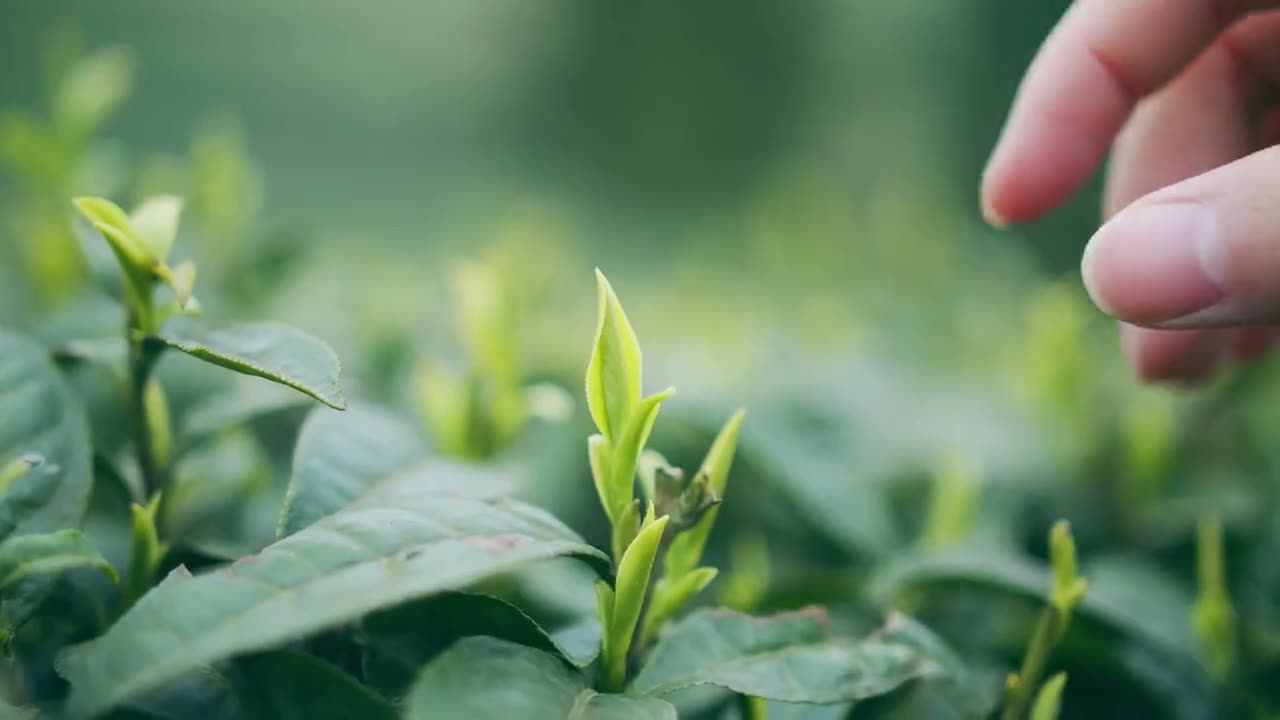
White tea has the shortest process of any Chinese tea: pluck, wither, dry. There is no fixation and no rolling, so the maker's control is limited to the plucking standard and the wither. That is why Bai Hao Yin Zhen, Bai Mu Dan, Gong Mei and Shou Mei are separated by what was picked, not by what was done to it afterwards.
Die Schritte
Plucking
Plucking to standard01
Ausrüstung nach Standard
Single unopened buds for Bai Hao Yin Zhen; one bud with one to two leaves for Bai Mu Dan; one bud with two to three leaves for Gong Mei; mature leaf for Shou Mei. The grade is decided here.
Withering
Withering trays02
Miter
Das Blatt wird dünn auf Tellern oder Tellern verteilt und für eine Zeit, die durch das Wetter und das Blatt festgelegt wird, langsam, im Inneren oder im Schatten, Feuchtigkeit verlieren lassen.
03
03
Trocken
Bei niedriger Temperatur trocknet das Wasser auf die Handelsspezifikation von 7,0% oder unterhalb und verhindert das Abbleiben.
04
04
Sortieren und Verpacken
Loose leaf for immediate sale, or pressed into 100 g, 300 g and 350 g cakes for storage and ageing. White tea can be aged when kept dry and odour-free; age changes the flavour rather than guaranteeing quality.
Weißtee Was in dem Vertrag festgelegt werden muss
Clause
Spezifikation
Qualität
By plucking standard: Yin Zhen, Bai Mu Dan, Gong Mei or Shou Mei
Herkunft
County — Fuding (Ningde) or Zhenghe (Nanping), Fujian
Das Erntefenster
Frühling für Yin Zhen und Bai Mu Dan; spätere Flüsse für Shou Mei
Feuchtegehalt
≤ 7,0%
Format
Loose oder Kuchen bei 100 g / 300 g/ 350 g
Rückstandsstandard
Benannt nach Bestimmungsgewalt
01
Guide
Where is white tea demand concentrated?
White tea demand is concentrated in specialty channels in Russia, North America and East Asia that buy by origin name, rather than in the bulk trade. Plucking standard and origin decide the price there more than weight does. The process needs no fixation or rolling machinery, which opens white tea to smaller Fujian gardens.
Häufig gestellte Fragen
Ist weißer Tee fermentiert?
Nein, es erfolgt bei der Verwässerung einer minimalen natürlichen Oxidation, wird aber nicht fermentiert und wird mit grünem Tee unter HS 0902.20 eingestuft.
Warum ist weißer Tee so vom Wetter abhängig?
Denn die Schwäche ist die einzige Phase, in der sich der Geschmack entwickelt und es wird mit der Umgebung durchgeführt.
Wird weißer Tee aus einer anderen Teepflanze hergestellt?
Meist nicht. Weißer, grüner, Oolong- und schwarzer Tee stammen aus Camellia sinensis; Kategorien entstehen vor allem durch Pflückstandard und Verarbeitung. Der Kultivar bleibt wichtig, und manche eignen sich besser für bestimmte Stile. Eine Spezifikation sollte Typ, Grad und Herkunft nennen und keine eigene Weißtee-Pflanzenart suggerieren.
Wie sollte fertiger weißer Tee aussehen?
Das Aussehen hängt von Grad und Stil ab. Knospengrade können viele silbrige Haare zeigen, Blattgrade größere grüne, braune oder olivfarbene Blätter. Gleichmäßigkeit, intaktes Material und fehlende auffällige Feuchte oder Fremdstoffe sind hilfreicher als eine vorgeschriebene Farbe. Bewerten Sie Aussehen zusammen mit Aroma, Aufguss und schriftlichem Gradstandard.
Why is white tea called white?
White tea is named for the fine white down covering its young buds, called bai hao, “white hair”. The dry buds look silvery white; the brewed tea is pale gold, not white.
Is white tea black or green tea?
Neither. White tea is its own category, the least processed of all: it is withered and dried without the heat fixing of green tea or the full oxidation of black tea. It comes from the same plant, mainly from Fuding and Zhenghe in Fujian.
Is white tea the same as white sage or chamomile?
No. White tea comes from the tea plant, Camellia sinensis, and contains caffeine. White sage and chamomile are different plants used for herbal infusions and contain no tea.
How is the Chinese name for white tea read?
In Chinese it is read bai cha; in Japanese it is usually read hakucha. Both mean white tea, the Fujian category of withered, dried tea.