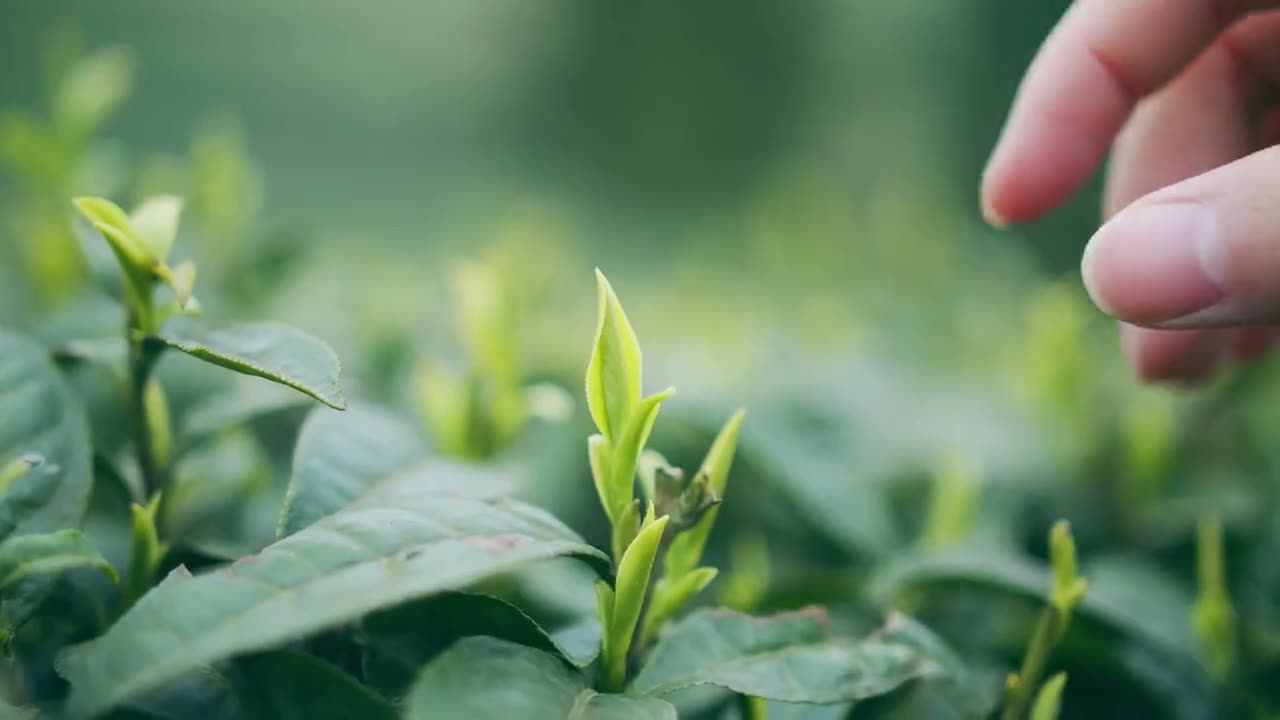
White tea has the shortest process of any Chinese tea: pluck, wither, dry. There is no fixation and no rolling, so the maker's control is limited to the plucking standard and the wither. That is why Bai Hao Yin Zhen, Bai Mu Dan, Gong Mei and Shou Mei are separated by what was picked, not by what was done to it afterwards.
Los pasos
Plucking
Plucking to standard01
Pluck a estándar
Single unopened buds for Bai Hao Yin Zhen; one bud with one to two leaves for Bai Mu Dan; one bud with two to three leaves for Gong Mei; mature leaf for Shou Mei. The grade is decided here.
Withering
Withering trays02
Coner
La hoja se extiende delgamente en bandejas o en trenes y se deja perder humedad lentamente, en interiores o bajo sombra, durante un período determinado por el clima y la hoja. Esta es la única etapa en la que se desarrolla el sabor, y depende totalmente del clima.
03
03
Seco
El secado a baja temperatura reduce la humedad a la especificación comercial de 7,0% o menos y detiene el sequeo.
04
04
Sortado y empaquetado
Loose leaf for immediate sale, or pressed into 100 g, 300 g and 350 g cakes for storage and ageing. White tea can be aged when kept dry and odour-free; age changes the flavour rather than guaranteeing quality.
Té blanco lo que debe indicar el contrato
Cláusula
Especificación
Grado
By plucking standard: Yin Zhen, Bai Mu Dan, Gong Mei or Shou Mei
Origen
County — Fuding (Ningde) or Zhenghe (Nanping), Fujian
Ventana de cosecha
Primavera para Yin Zhen y Bai Mu Dan; flushes posteriores para Shou Mei
Humedad
≤ 7,0%
Formatos
Descascado o pastel en 100 g / 300 g/ 350 g
Norma de residuos
Nombrado por jurisdicción de destino
01
Guide
Where is white tea demand concentrated?
White tea demand is concentrated in specialty channels in Russia, North America and East Asia that buy by origin name, rather than in the bulk trade. Plucking standard and origin decide the price there more than weight does. The process needs no fixation or rolling machinery, which opens white tea to smaller Fujian gardens.
Preguntas frecuentes
¿El té blanco está fermentado?
No. Se oxidaba naturalmente durante el moretón, pero no se fermentaba, y se clasifica con té verde en el HS 0902.20.
¿Por qué el té blanco depende tanto del clima?
Porque el marmorio es la única etapa en la que se desarrolla el sabor y se hace con el aire ambiente.
¿El té blanco procede de una planta distinta?
Por lo general no. Té blanco, verde, oolong y negro proceden de Camellia sinensis; las categorías derivan sobre todo de la recolección y el proceso. El cultivar sigue siendo importante y algunos se prefieren para ciertos estilos. La especificación debe nombrar tipo, grado y origen sin insinuar una especie separada de té blanco.
¿Qué aspecto debe tener un té blanco terminado?
Depende del grado y el estilo. Los grados de brotes pueden mostrar abundante vello plateado; los de hojas incluyen piezas verdes, marrones u oliva más grandes. Uniformidad, material íntegro y ausencia de humedad anormal o materia extraña son controles más útiles que exigir un color. Evalúe también aroma, infusión y norma escrita del grado.
Why is white tea called white?
White tea is named for the fine white down covering its young buds, called bai hao, “white hair”. The dry buds look silvery white; the brewed tea is pale gold, not white.
Is white tea black or green tea?
Neither. White tea is its own category, the least processed of all: it is withered and dried without the heat fixing of green tea or the full oxidation of black tea. It comes from the same plant, mainly from Fuding and Zhenghe in Fujian.
Is white tea the same as white sage or chamomile?
No. White tea comes from the tea plant, Camellia sinensis, and contains caffeine. White sage and chamomile are different plants used for herbal infusions and contain no tea.
How is the Chinese name for white tea read?
In Chinese it is read bai cha; in Japanese it is usually read hakucha. Both mean white tea, the Fujian category of withered, dried tea.